About Me
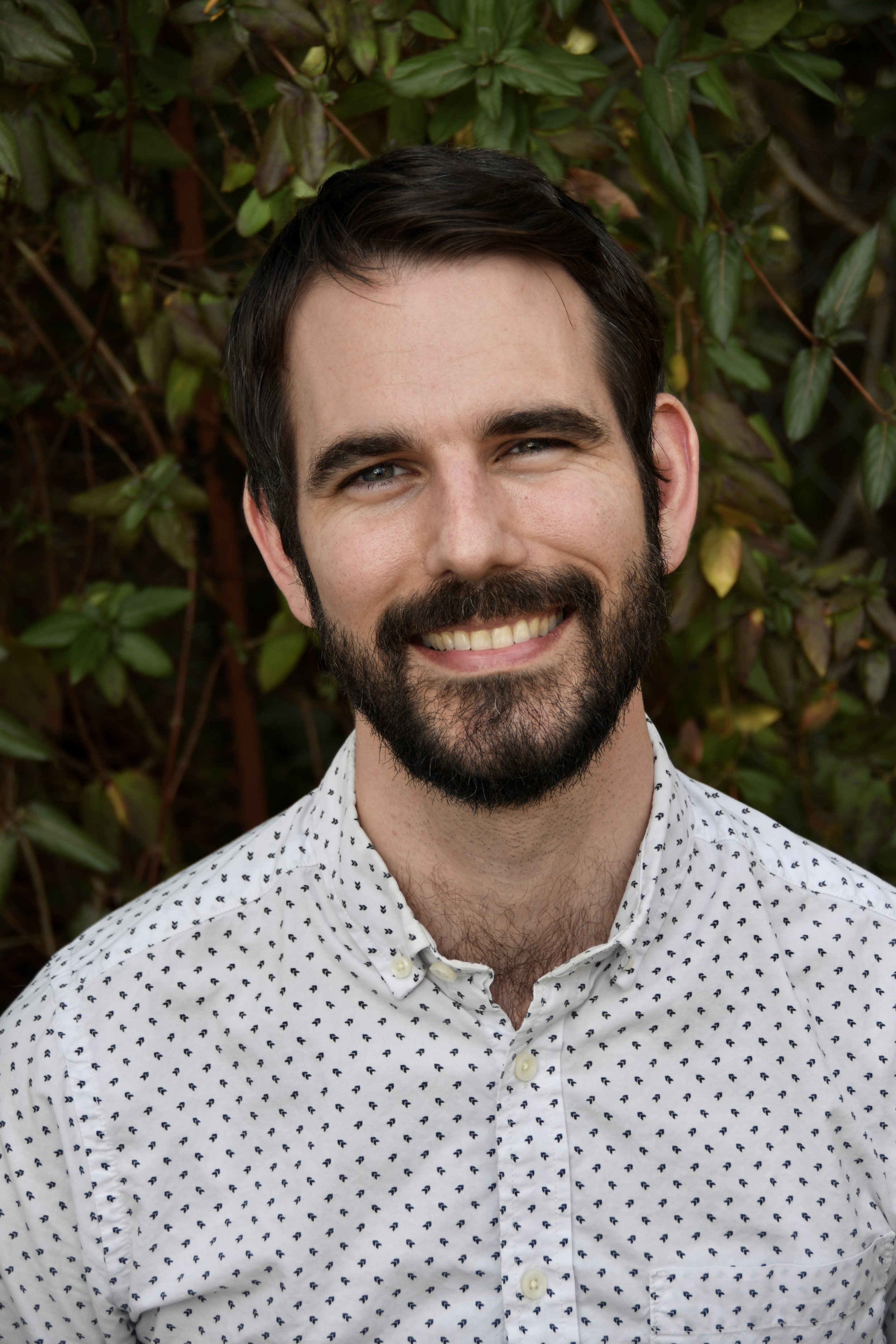
Hi, I’m Jonathan.
I help adult individuals struggling with anxiety, OCD, low self-esteem, relationship issues, and other life stressors to find greater ease, connection and fulfillment using research-supported approaches to therapy.

Are you struggling with anxiety? Do you feel like you’re not good enough, or like there is something wrong with you? Are you struggling with relationships?
Regardless of the reasons that have led you to search out therapy now, I am completely sure of this: what you are feeling, thinking, and experiencing is understandable—it makes sense—given your circumstances and life history. I mean this genuinely, and I will hold this perspective throughout our work together. This compassionate perspective is a constant for me, and it has helped many of my clients feel safer and more cared for in our work together than they have in any other relationship. You can count on me to respond with understanding and care as you show me the deepest and most vulnerable parts of yourself. I truly believe there are no bad parts of you—just misunderstood or painful ones.
I see my clients as unique, special, and dignified human beings first and foremost. I join with them in a spirit of respect and care, and I truly value the people I work with. I also have a deep respect for my clients as the experts on their own lives. Rather than “fixing” you or telling you what is best for you, I see my role as helping you tap into your own inner wisdom and potential for growth. I have a deep conviction that, no matter what your circumstances, it is possible to live a full, rich and meaningful life, rooted in authenticity and meaning.
Part of the reason I am able to take this validating and empowering perspective is because I have spent a great deal of time in the role of client myself. I have worked extensively on my own growth through many different approaches to healing and growth, and my own therapeutic journey deeply informs me as a counselor. It gives me confidence in the process, even when my clients are struggling. I am deeply committed to “walking the talk” and I never ask my clients to do something I have not been willing to do myself.
I am also continually working to develop new and more effective ways to conduct therapy and create meaningful change. I work hard to be as effective as I can as a counselor, and am always seeking out ways to learn and grow. At the same time, I bring a spirit of warmth, playfulness, and humor to my work. I have had many clients express surprise that therapy can be “fun,” and I think laughter is a good sign in the therapy process!
More than just a job, I see my role as a therapist as a deep calling and an expression of my authentic self.

“As long as you are breathing, there is more right with you than there is wrong with you”
— John Kabat-Zinn
My Story
I’ve always been drawn to supporting other people. Indeed, when I was a young child—maybe four or five—people would ask me what I wanted to be when I grew up, and I’d say, “a counselor!” Like many therapists, growing up I was often someone that friends and family would seek out for support and advice, and this role felt natural to me. However, it was through facing my own struggles and coming out the other side that I truly found my calling as a therapist.
In my early 20s, I became overwhelmed by painful struggles in my own life, and the ways I had dealt with things in the past were no longer helping. I began searching for a way to find relief and eventually discovered mindfulness meditation. I quickly found mindfulness incredibly helpful and began practicing intensively, including several silent meditation retreats ranging from one to ten days.
In addition to finding mindfulness helpful, I found it fascinating. I wanted to understand more about the practice and what, exactly, was helping me so much. As I read more, I came across research in neuroscience suggesting that mindfulness and other ways of relating to ourselves, such as self-compassion, can actually change our brains in positive ways—incredible! This led me to seek out more information about neuroscience, psychology, and psychotherapy, and I learned about how mindfulness and self-compassion practices were being integrated into a broader tradition of therapy grounded in scientific research, collectively known as Cognitive Behavioral Therapy (CBT).
I began trying more and more CBT techniques in my own life and found them incredibly helpful as well. I especially gravitated toward a type of CBT called Acceptance and Commitment Therapy (ACT), which combines mindfulness, clarifying what matters most to us (our “values”), and taking action toward the life we want to live. ACT helped me bring together many of the elements of CBT and mindfulness practice that I found most helpful, while also adding a deep sense of meaning and purpose to my life.
Even with how helpful these tools and methods were, however, there was something missing for me. I had seen several therapists over the years and found them somewhat helpful, but I felt like there was something I needed that I wasn’t getting from therapy. Eventually, a trusted friend referred me to a therapist who helped me not only develop practical skills to address the issues I was facing, but also placed great care and attention on our relationship and connection.
Rather than helping me solely with skills and tools, this therapist gave me the experience of being truly known and cared for in relationship. This had a profound impact on me. I am deeply grateful to my therapist for that gift, and I seek to pay forward what they offered me.
Having experienced the benefits of both developing and applying practical psychological and behavioral skills and having a supportive, compassionate therapeutic relationship, I felt motivated to become a therapist myself. I wanted to share with others the practices, tools, knowledge, and ways of relating that had been—and continue to be—so helpful to me. Throughout my own journey, I’ve had many moments of thinking, “I wish someone had told me this sooner!” In my practice, I seek to be the kind of therapist I wish I could have had earlier in my own life, during that painful time.


What is it like to work with me?
Therapy with me is structured yet flexible. If you are needing to just talk about, explore or process something, we can do that, or, if you are wanting help with a specific issue or area of your life, we can “role up our sleeves” and get to work, using practical tools and techniques to address what is holding you back.
Clients and colleagues have described me as warm, kind, calm, patient, silly/playful, prepared, smart and thoughtful.
What makes me different?
Formal Feedback: I use formal feedback forms to get feedback from clients before and after every session, so that I know exactly how they are doing and how therapy is going; I am accountable to my clients.
Expertise
I have training in several types of “third wave” Cognitive Behavioral Therapies (CBT), especially Acceptance and Commitment Therapy (ACT) and engage in ongoing training and consultation to further develop my skills
I have had a formal mindfulness meditation practice for over 10 years, and have extensive experience with mindfulness skills training and in its’ application to psychotherapy
Free Resources: as part of work with clients, I offer many resources such as original handout related to therapy, recordings of guided meditation practices, and more
Convenience:
I offer therapy online, so you can conveniently meet with me from home, work, or wherever else you need to
I offer a secure online portal to handle all paperwork, billing and payment simply and easily
Quality: I maintain a relatively small caseload so that I am able to provide high quality care to my clients. My clients have often remarked to me about how I go “above and beyond” to try to help and support them through actions such as setting up calls with other professionals they are working with (such as dietitians, psychiatrists, doctors, etc), and researching on my own time specific issues or areas my clients are struggling with. I work hard to individualize care for my clients, and set up my practice so that I have time to do these kinds of things.
Professional values
Authenticity: I will be authentic and genuine in our work, and will not be a “blank slate” type of therapist; I am committed to “walking the talk”, and do not suggest to my clients that they use any therapy approach or technique that I have not experienced personally
Client self-determination: I see you as the expert on your own life and experience, and will never pressure or coerce to do anything you aren’t willing to do.
Inclusiveness: In my practice, I seek to welcome people of all background and identities. I am aware of my privileged identity as a straight, white man, and am committed to the ongoing work of learning about my biases and blind spots
Evidence-based treatment: In my practice, I am committed to using only approaches with a sound basis in scientific research, and am committed to staying up to date about the cutting edge or mental health care and approaches.
Competence: in order to provide quality care to my clients, I am committed to ongoing training and education, as well as to admitting areas in which I lack expertise or skill. I am engaged in multiple long term and ongoing training groups for therapists, and seek out regular consultation from senior experts in the field.
Transparency: it’s important to me that my clients always understand why I am doing what I am doing or suggesting what I am suggesting for them. I try to help my clients know that if anything about our work, our relationship or my approach is unclear, they can always ask about it.
Professional Background
My professional background before starting my private practice includes having worked as an advocate for survivors of domestic violence at the National Domestic Violence Hotline, providing individual and group counseling in Intensive Outpatient (IOP) settings for substance abuse and mental health issues, and providing individual counseling to a diverse population of clients at a local counseling agency.
Here are some other things you might like to know about me:
Professional licensure and training:
Licensed Professional Counselor (LPC) in Texas, license #80470
Master of Arts in Professional Counseling from Texas State University
Bachelor of Arts in Psychology from Texas State University
Additional Trainings and certifications:
TEAM CBT Level 1 Certified
Professional organizations:
Member of the Association for Contextual Behavioral Science (ACBS)
Have practical questions about my practice?
Want to learn more about my approach?
